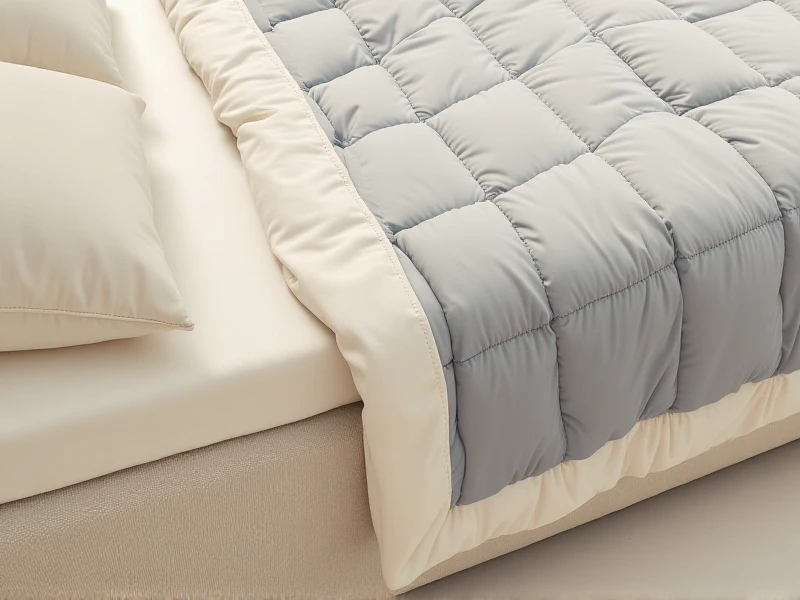
Choosing the Perfect Bed Sheets for Better Sleep and Comfort
Here is the SEO-optimized article about bed sheets, written in English:
Getting a good night's sleep is crucial for health and well-being. While several factors contribute to quality rest, your bed sheets play a surprisingly significant role. Choosing the right ones can dramatically enhance comfort, regulate temperature, and make that climb into bed a truly inviting experience. With countless options available, knowing what to look for ensures you invest wisely in a restful haven.
The foundation of great bed sheets lies in the fabric. Several popular materials cater to different needs:
- Cotton: The classic choice. Known for breathability, durability, and natural softness (especially varieties like Egyptian, Pima, Supima, or long-staple cotton). Percale offers a crisp, cool feel, while sateen has a smoother, lustrous finish.
- Linen: Prized for its exceptional breathability and moisture-wicking abilities, ideal for hot sleepers. It has a distinctive, slightly textured feel that softens beautifully over time.
- Bamboo (Rayon/Viscose from Bamboo): Soft, often silky to the touch, naturally breathable, and possesses thermoregulating properties. Many find it exceptionally smooth and cool. Look for certifications like OEKO-TEX for responsible processing.
- Tencel/Lyocell (Eucalyptus): Similar to bamboo in sustainability and softness, known for excellent moisture management and a smooth, drapey feel. Highly durable.
- Microfiber/Polyester: Generally budget-friendly, wrinkle-resistant, and easy to care for. Can trap heat more than natural fibers but can be a practical choice where breathability is less critical. Opt for brushed microfiber for a softer feel.
- Silk: Offers a luxurious, incredibly smooth feel and is naturally hypoallergenic and temperature-regulating. Requires delicate care and represents a higher investment.
Thread count is often highlighted, but it's not the sole indicator of quality. For natural fibers like cotton, a thread count between 200-800 is often sufficient for both softness and durability. Extremely high counts can sometimes indicate thinner threads or manufacturing tricks. The quality and length of the fibers (indicated by terms like Egyptian, Pima, Supima) matter more than thread count alone. Similarly, weave (percale, sateen, twill) significantly impacts the feel – sateen is smoother and silkier, while percale is crisper and more breathable. Match the weave to your desired texture and climate.
Consider seasonality. Lighter weaves like percale and breathable fabrics like linen, bamboo, or Tencel excel in warmer months. Flannel or heavier jersey cotton bed sheets provide coveted warmth during colder seasons. Think about maintenance. Check care labels – some fabrics (like linen) embrace a relaxed look, while others require delicate washing or ironing for a crisp appearance. Factor this into your lifestyle.
Always look for features like deep pockets to securely fit thicker mattresses, and strong, well-finished seams that resist fraying. Feel the fabric if possible – quality bed sheets should feel substantial and pleasant against the skin, signalling durability.
Ultimately, the best bed sheets align with your personal comfort preferences, climate, and budget. By prioritizing fabric type, weave, construction quality, and your specific needs for temperature regulation, you transform your bed into a sanctuary of ultimate comfort. Choosing wisely is an investment in better sleep and daily wellbeing. Keep these key points in mind as you explore the world of comfortable bedding. Discover the perfect set that makes you look forward to climbing into bed each night. Experimenting with different materials can help you find your ideal match.